Pink wine isn’t a single category. Ask a collector to compare white Burgundy and white Bordeaux and they will throw up their hands – apples and oranges! Comparing Northern Rhône Syrah and Australian Cabernet Sauvignon would simply be out of the question. But mention rosé wine, and suddenly the whole world is part of a single, pastel category. Does the concept of terroir take a vacation when a certain shade of pink is reached? Do the vagaries of grape variety cease to matter when it comes to chilled pink wine? Of course not. Below, we expand your pink horizons by highlighting classic regions and alternative rosé styles worth seeking out.
The Pink Process
Rosé wine is red wine, really – just a lighter shade of red. Gray-, red-, and purple-skinned grape varieties contain anthocyanins (a fancy word for water-soluble pigments) in their skins. These pigments are extracted into the juice during the pressing and/or fermentation of the grapes. There are two major factors that determine color extraction. The first is the anthocyanin concentration of the grape variety or varieties used. Nebbiolo has famously low anthocyanin concentration, while Syrah has a very high concentration of purple-hued pigments.
The second is the nature of the contact the juice has with the skins. In a “direct press”, skin contact is usually very brief and occurs largely during pressing. Leaving the juice in contact with the skins, from an hour to over a day, is also possible. During that skin contact, the temperature, alcohol concentration, and pH of the juice all change the nature of the anthocyanin and tannin extraction. Saignée, or “bleeding,” is also practiced, a process by which lightly colored wine is removed from a red wine ferment to increase the skin-to-juice ratio, which either concentrates the red wine or, if water and tartaric acid are added back in, decreases the alcohol content. The lightly colored wine that is “bled” off is the rosé.
The range of options available to the rosé winemaker creates a visual and textural spectrum far beyond the stereotype of “porch pounder”. Yes, innocuous, pale pink rosé is produced by the millions of gallons the world over, but deeply colored and texturally layered rosés deserve more attention.
Provence
This is often the first and last stop for collectors when it comes to rosé, and it’s easy to see why. When you need something light and refreshing, reach for a Côtes de Provence. When you need something a bit more serious and impressive, go for Bandol. The overwhelming majority of bottles found in collectors’ cellars bear the names of the usual suspects: Tempier, Ott, Terrebrune, Pibarnon. And listen, these are great wines. But just as there is more to sparkling wine than the Grandes Marques of Champagne, these producers are just the tip of the pink iceberg.
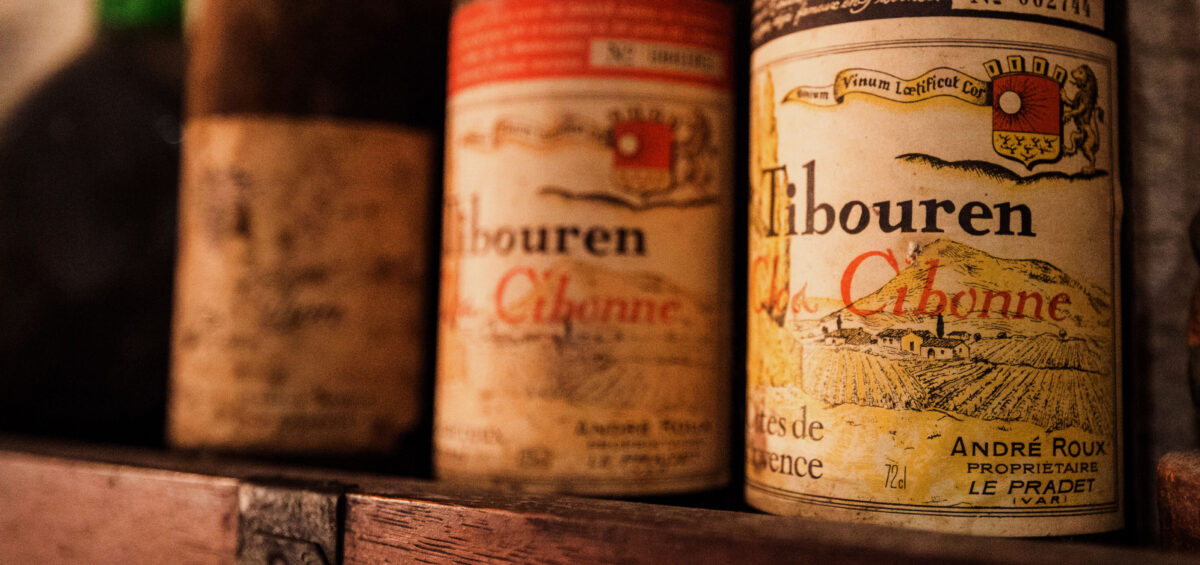
For a fresh perspective on this classic region, seek out one of the many bottlings from Clos Cibonne. The native Tibouren grape is coaxed into profundity by this family producer that has been making textured rosé wines for centuries. Aromatically complex, with garrigue for days, and boasts an acid/tannin balance that can stand up to more serious food than your average Côtes de Provence. It’s the perfect wine to start rewiring your brain to ask, “What if my rosé did a little bit more?”
We would be remiss to leave Provence without at least mentioning the fantastic Palette Rosé from Château Simone, a wine that deserves a place in every worthy cellar and, despite being less well known, trades at a 50+% premium compared to Tempier’s Bandol Rosé.
Sancerre and Burgundy
These two really should be considered together. Sure, Gamay can appear in Bourgogne rosé, but Pinot Noir is the star in both Sancerre and Burgundy. Pinot Noir is a perfect candidate for rosé production – it has naturally high acidity and low-to-medium tannins, meaning you can extract flavor compounds from the grape skins to add complexity without adding too much texture to your rosés. In the past, rosé production was often a practical matter, providing an outlet for fruit that failed to ripen sufficiently or was cropped at higher levels from younger vines. But these days serious producers are serious about rosé.
In the Côte d’Or, Marsannay is the only village that can use its name on a bottle of rosé. Classic producers like Joseph Roty are well worth seeking out. Bourgogne Rosé is the appellation for the rest of the Côte, and good examples abound. I’m particularly partial to PYCM’s Rosé de Pinot Noir, which comes from old vines, mostly in the Hautes Côtes de Beaune, and is aged in 2-3-year-old barrels before release. In Sancerre, look for François Cotat’s electric Chavignol Rosé, which often shows better after a year (or three) of cellar age.
Germany and Austria
Before moving on to deeper colors and heavier textures, Germany and Austria deserve mention as stellar, ever-improving sources of rosé (Pinot Noir achieves the most reliable results in Germany, while Zweigelt, Blaufränkisch, St. Laurent, and even Merlot are used to great effect in Austria). Incredible value can be found at addresses like Müller-Ruprecht, Knipser, Buchegger, and Bründlmayer.
Italy
Italy itself contains the entire spectrum of rosé, from light pink quaffers to nearly red cellar favorites like Valentini’s Cerasuolo d’Abruzzo. From Nervi Conterno in Alto Piemonte to Donnafugata in Sicily, Italy is producing exciting rosé wines from tip to toe, each with its own regional signature and grape variety, exactly as one would expect from a country so awash in native varieties. Pay special attention to up-and-comers like Marisa Cuomo, whose Costa d’Amalfi Rosato, made from equal parts Piedirosso and Aglianico, is well worth tracking down.
Further Afield
Before leaving western Europe, López de Heredia’s elusive Tondonia Rosado Gran Reserva should be mentioned. This singular wine that used to be found exclusively at odd sommelier gatherings has now crept its way into the collecting mainstream. Unfortunately, the vineyards used in its production were grubbed up and replanted right around the time this wine’s popularity began to bloom, so what was once an affordable oddity now trades at eye-watering prices on the secondary market.
The legend of Lebanon, Chateau Musar, makes a fascinating rosé, mostly from own-rooted Obaideh and Merwah, indigenous varieties cropped at spectacularly low yields. A splash of Cinsault gives the wine its color, and significant oak and bottle aging make this wine a unique experience worth seeking out.
Bedrock Wine Co.’s ‘Ode to Lulu’ Rosé leans toward Bandol in style and takes its name from Domaine Tempier’s Lucie ‘Lulu’ Peyraud. Its most distinctive innovation, however, is its sustainable packaging. Morgan Twain-Peterson MW has chosen to put collector-grade rosé into a 3L bag-in-box package that cuts the carbon emissions from shipping by up to 60%. Who doesn’t need Mourvèdre-based rosé from centenarian vines on tap in the fridge?
I Pink, Therefore I Am
Rosé is so much more than inoffensive, light pink wine. And the best news of all? Many of the most interesting examples aren’t fought over like conventional collector wines. As prices in Burgundy continue to soar, I expect more smart money to discover producers like Clos Cibonne and Marisa Cuomo. Hopefully their price points won’t suffer the same fate as Tondonia Rosado, but there is only so much to go around, so I can’t offer any guarantees.